
VO2 Max Testing Explained: What Your Score Really Means
If you've spent any time around endurance sports, Hyrox, CrossFit, or even modern fitness watches, you've probably heard someone mention VO₂ max.
It's often described as "your fitness score," but that's only partially true.
VO₂ max is one of the most valuable physiological measurements we can collect because it tells us how effectively your body delivers and uses oxygen during maximal exercise. When interpreted correctly, it becomes a roadmap for building smarter conditioning programs instead of guessing how hard you should train.
The problem is that most VO₂ max articles either dive deep into exercise physiology textbooks or reduce the concept to "higher is better." Reality sits somewhere in the middle — and that's what we'll break down here.
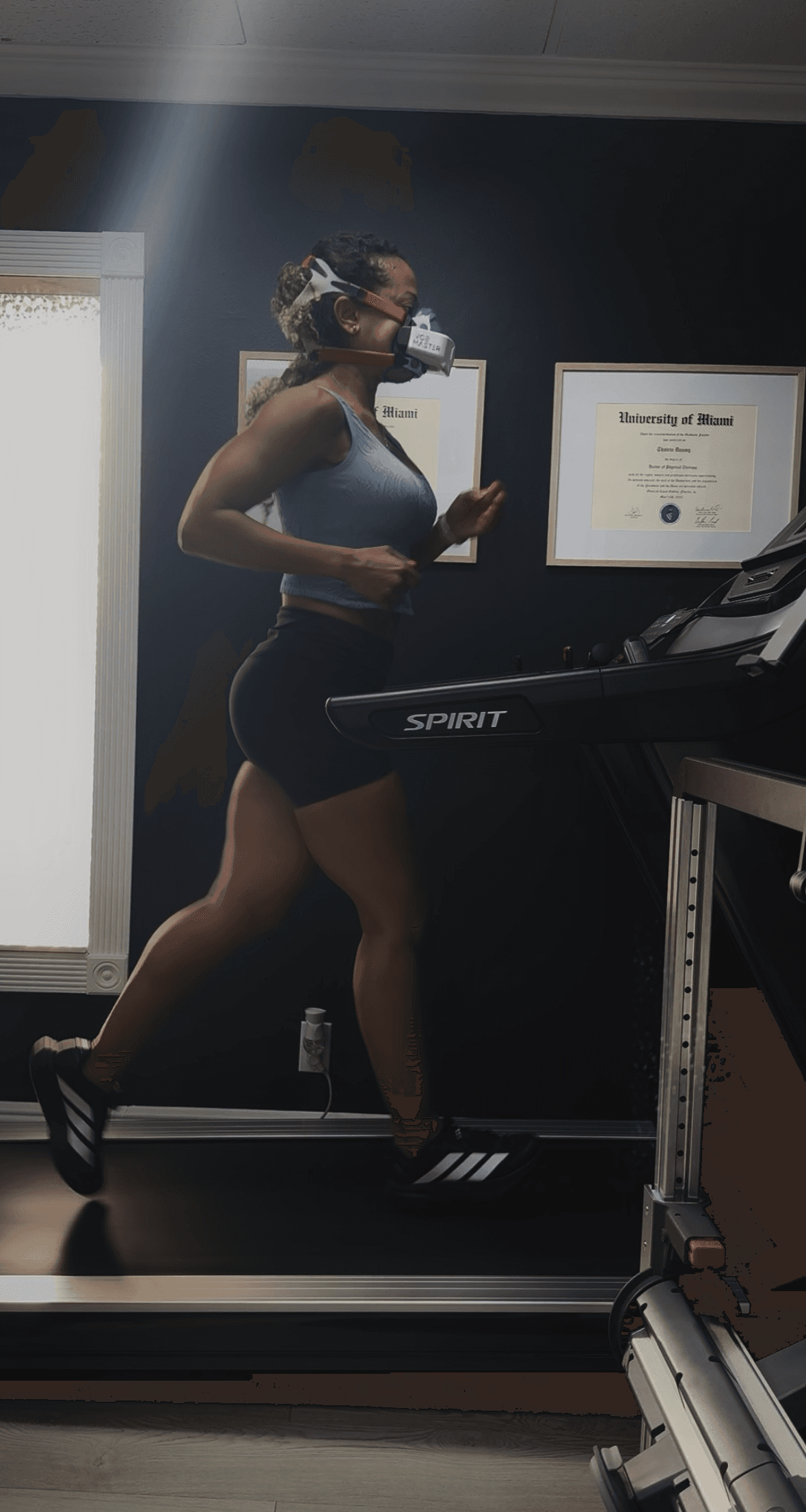
What Is VO₂ Max?
VO₂ max stands for maximal oxygen uptake.
In simple terms, it measures the greatest amount of oxygen your body can use during progressively harder exercise.
When you exercise, your muscles need oxygen to produce energy aerobically. Your lungs bring oxygen into the body, your heart pumps oxygen-rich blood to working muscles, and those muscles use that oxygen to keep producing movement. VO₂ max reflects how well that entire system works together.
It isn't measuring your lungs alone. It isn't measuring your heart alone. It's measuring the combined performance of your cardiovascular system, respiratory system, and working muscles under maximum effort.
Generally speaking, athletes with higher aerobic capacity can sustain higher workloads before fatiguing. That matters whether you're running a marathon, completing repeated Hyrox stations, finishing a long CrossFit workout, or simply trying to recover faster between hard efforts.
What Happens During a VO₂ Max Test?
Many people imagine the test is complicated or intimidating. It's actually very straightforward.
During the test, you'll wear a specialized mask connected to a metabolic analyzer. The mask measures the oxygen you inhale and the carbon dioxide you exhale on every breath.
You'll perform a graded exercise test on either:
A treadmill
A stationary bike
The workload gradually increases every few minutes until you've reached your maximum effort. Throughout the test, we continuously measure:
Oxygen consumption
Carbon dioxide production
Heart rate
Speed or power output
Ventilation (how much air you're breathing)
Because we're directly measuring your breathing gases, this is considered the gold standard for measuring VO₂ max — not an estimate from a watch or fitness calculator.
The test usually involves around 8–15 minutes of actual exercise, although the full appointment takes longer since we explain the process, fit the equipment properly, and review your results afterward.
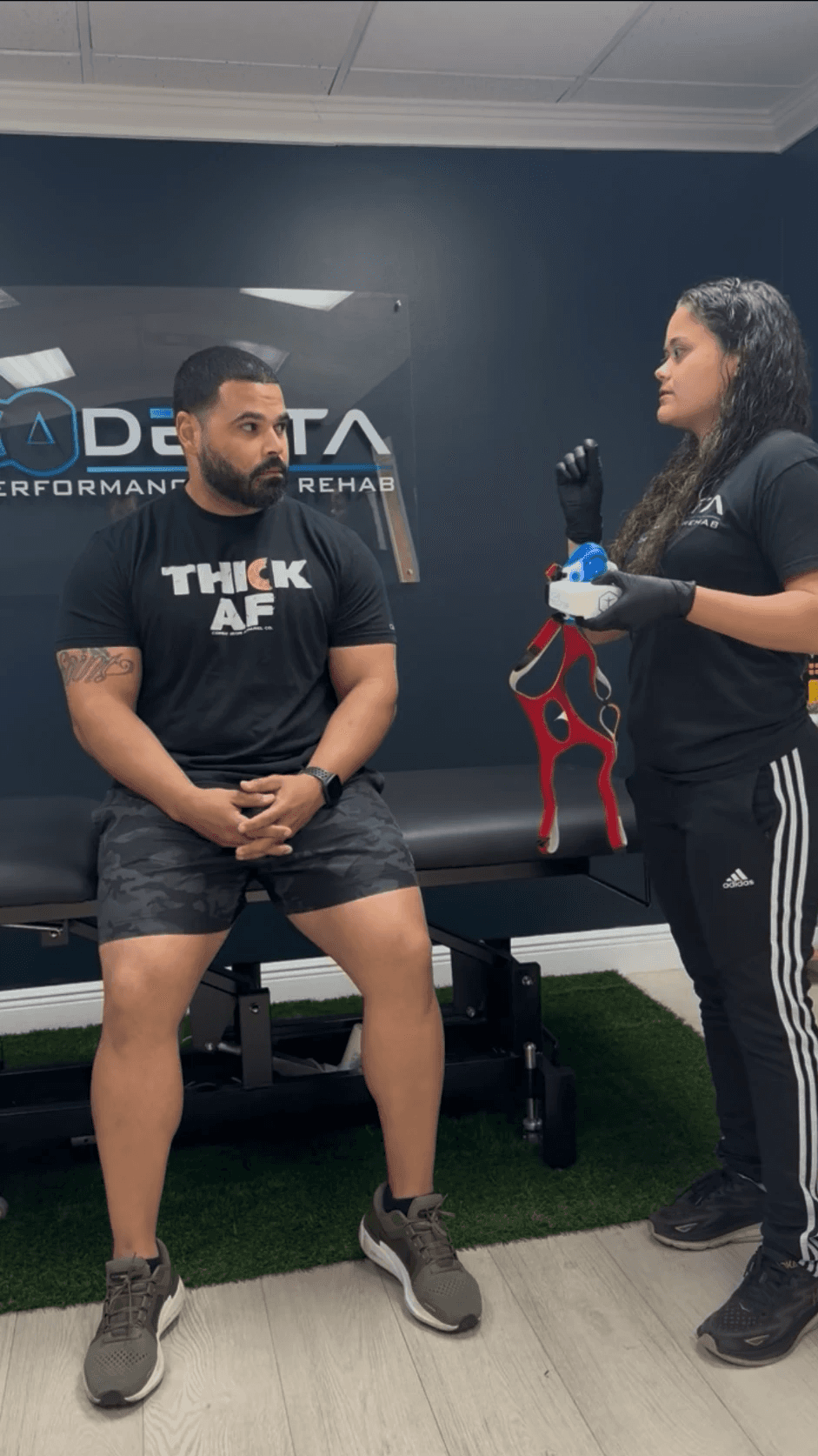
First we fit the mask to your size
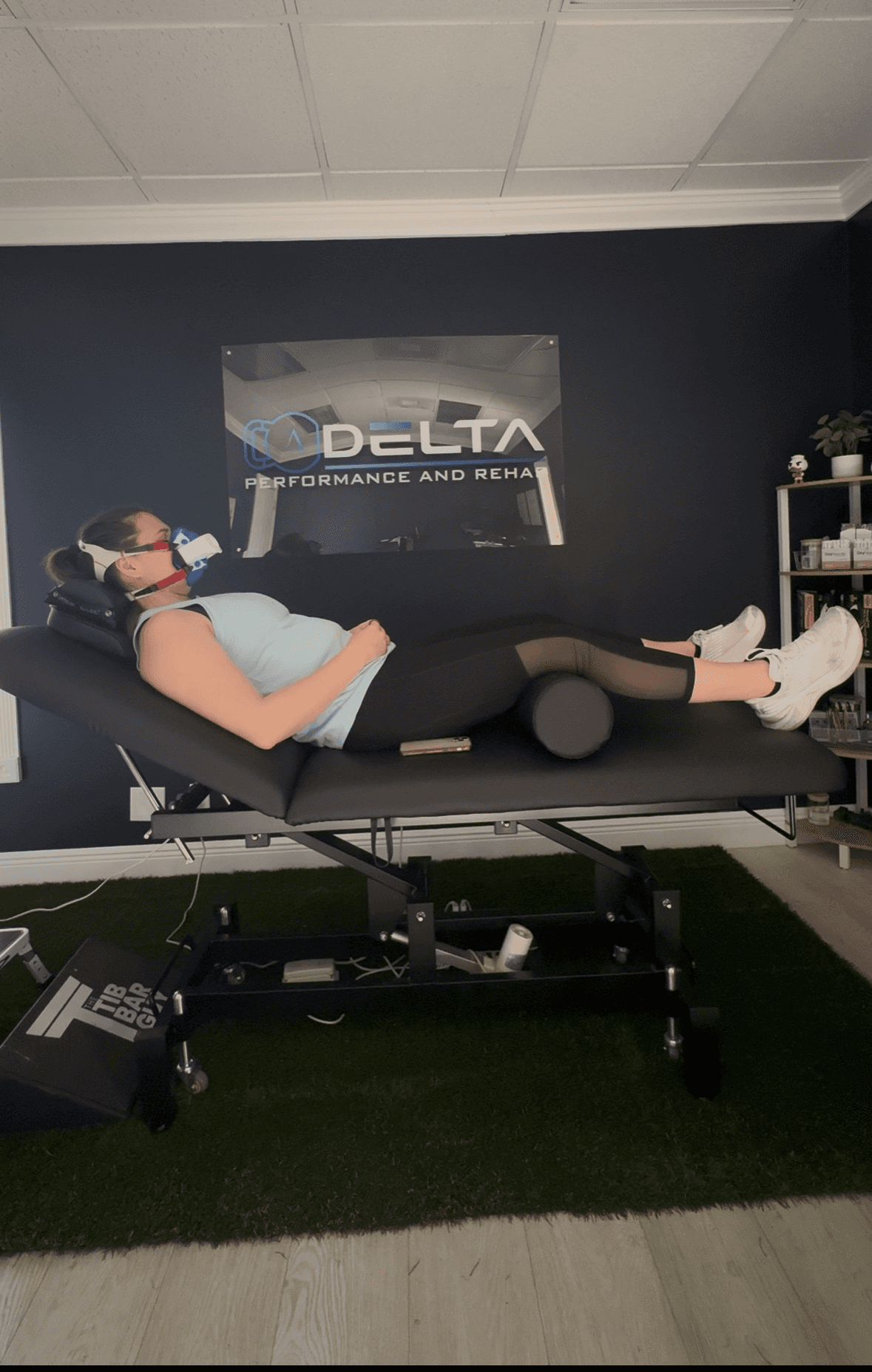
We perform
Understanding Your VO₂ Max Score
Once the test is complete, you'll receive your VO₂ max value.
The number is commonly reported in milliliters of oxygen per kilogram of body weight per minute (mL/kg/min). This is called a relative VO₂ max, because it accounts for body weight.
You'll also have an absolute VO₂ max, which represents the total amount of oxygen your body uses regardless of body size.
Both numbers have value. Relative VO₂ max is especially useful when comparing athletes in weight-bearing sports like running. Absolute VO₂ max can provide additional context for larger athletes or sports where body weight isn't the primary limiter.
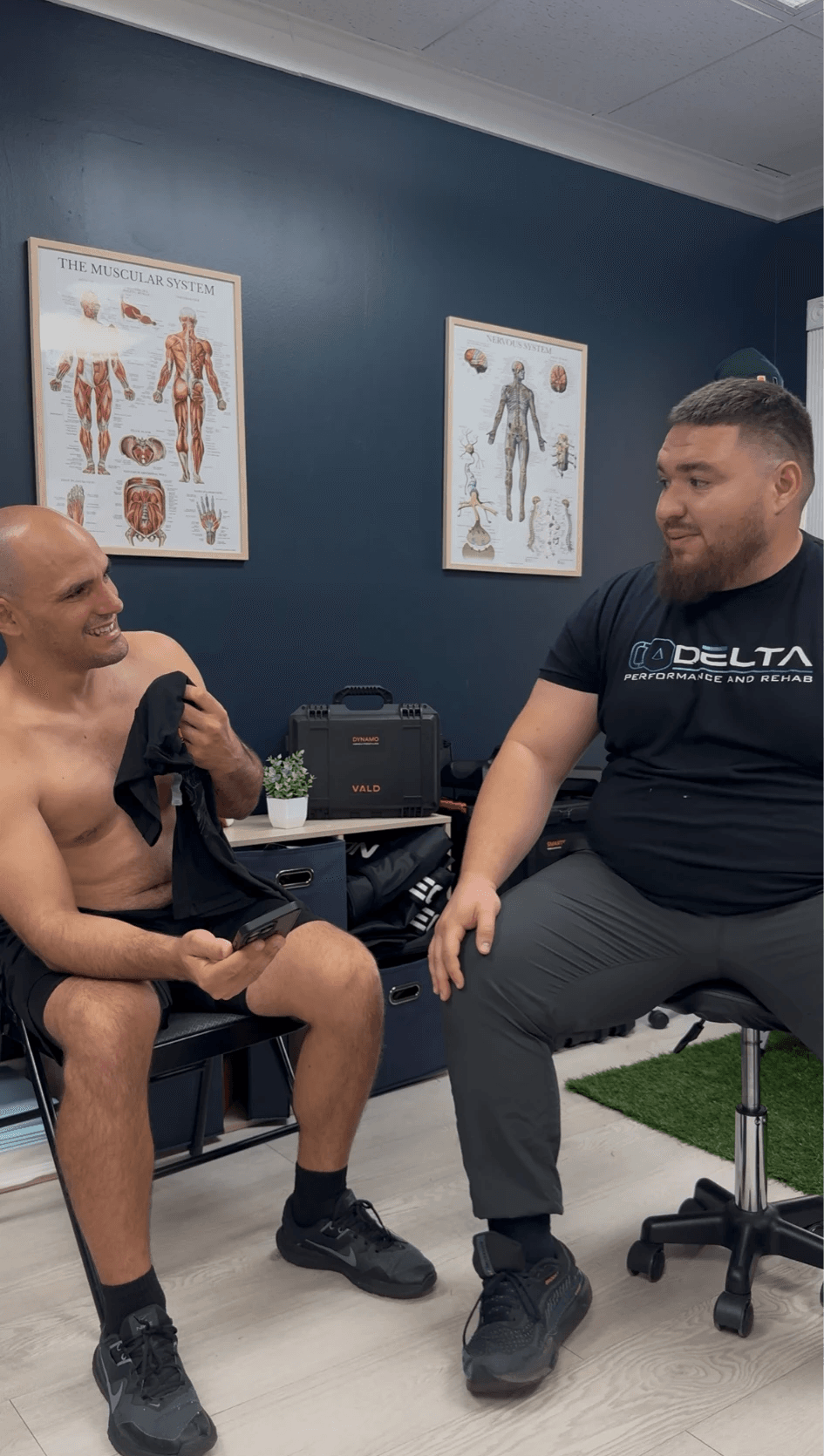
Is My Number Good?
That's the question almost everyone asks. The honest answer: it depends.
Age, sex, training history, and sport all matter. A recreational runner, a competitive cyclist, a CrossFit athlete, and an elite distance runner shouldn't expect the same numbers.
More importantly, your own progress often matters far more than how you compare to a generic chart on the internet. An athlete who improves their VO₂ max while also becoming more efficient and stronger is likely to perform better — even if someone else still has a higher absolute score.
Context is everything.
How VO₂ Max Actually Improves Training
This is where testing becomes useful. The goal isn't collecting an impressive number — it's building a better training program.
Heart Rate Training Zones
One of the biggest advantages of laboratory testing is creating individualized training zones. Instead of using generic formulas based on age or estimated maximum heart rate, your training zones are based on how your body actually responds during exercise.
That means your easy days stay appropriately easy, your aerobic work becomes more productive, and your high-intensity intervals become targeted instead of random. Over weeks and months, that leads to more consistent adaptations and less unnecessary fatigue.
Threshold Training
VO₂ max provides important context when combined with other physiological markers. It helps determine where higher-intensity aerobic work should occur and guides workouts designed to improve your ability to sustain challenging efforts.
Rather than guessing whether you're training hard enough — or too hard — you have objective data directing the process.
Conditioning Periodization
Conditioning isn't something athletes should train the same way year-round. Early training blocks may emphasize building aerobic capacity. Later phases may shift toward sport-specific intensity, repeated high-output efforts, or race preparation.
VO₂ max testing provides objective benchmarks that help determine when it's appropriate to shift the focus of your conditioning program.
One Important Misconception
VO₂ max is incredibly valuable. But it is not the complete picture of fitness.
Two athletes can have identical VO₂ max scores and perform very differently. Why? Because performance depends on much more than maximal oxygen uptake. Other important factors include:
Lactate threshold
Movement efficiency (often called running economy in runners)
Strength and power
Technical skill
Sport-specific movement demands
Recovery capacity
Think of VO₂ max as the size of your engine. That's important — but having a large engine doesn't automatically make someone the fastest driver. How efficiently you use that engine matters just as much.
Why This Matters for CrossFit and Hyrox Athletes
This is where we see one of the biggest misconceptions.
Many CrossFit and Hyrox athletes assume success is mostly about strength and high-intensity intervals. Those qualities absolutely matter — but underneath all of that is your aerobic system.
A stronger aerobic base helps you recover between repeated efforts, maintain pace deeper into long workouts, and transition between stations without your heart rate staying excessively elevated.
During Hyrox, for example, athletes repeatedly alternate between running and demanding functional stations. The athlete who can recover more efficiently while continuing to produce power often performs better over the entire event. The same concept applies to many CrossFit workouts — better aerobic capacity doesn't just improve long workouts, it often improves recovery between heavy lifts, gymnastics movements, and repeated intervals during training.
That's why many high-performing mixed-sport athletes spend more time developing their aerobic system than most people realize.
What Happens at Delta Performance & Rehab?
At Delta Performance & Rehab, we don't perform VO₂ max testing just to hand you a number. We perform testing to answer practical training questions.
During your session, you'll complete a laboratory-grade VO₂ max assessment using metabolic gas analysis while exercising on a treadmill or bike. Many athletes also choose to pair this with Resting Metabolic Rate (RMR) testing during the same visit. RMR measures how many calories your body uses at rest, providing another valuable piece of information for athletes focused on fueling, body composition, or performance.
After testing, we sit down and walk through your results in plain language. You'll leave with:
Your measured VO₂ max
Personalized heart rate training zones
A breakdown of what your results mean
Guidance on how to structure conditioning based on your physiology
Practical recommendations you can immediately apply to your current training
Whether you're training for your first Hyrox, preparing for a marathon, competing in CrossFit, or simply looking to improve your conditioning, objective testing removes the guesswork.
The best training plan isn't the one that's hardest. It's the one that's targeted to how your body actually performs.
Ready to find out what your numbers actually mean? Book a VO₂ Max assessment at Delta Performance & Rehab in Pembroke Pines, FL.
Similar Articles
Explore More Articles




Sign Up To Our Newsletter
Stay connected, inspired, and informed about everything fitness!